A hospital discharge is often treated, both by patients and by the healthcare system, as the successful conclusion of an episode of care. Research on readmissions complicates that assumption considerably. Studies tracking patients after discharge have consistently found that a substantial share, often cited in the range of one in five for common conditions like heart failure and pneumonia, return to the hospital within thirty days, and that many of these returns are potentially preventable rather than an inevitable consequence of severe underlying illness. This finding transformed readmissions from a footnote in hospital quality metrics into a central focus of patient safety and health policy research over the past two decades.
Why Patients Return to the Hospital
The reasons patients bounce back to the hospital are varied but recur across studies with notable consistency. Medication-related problems are among the most frequently cited: patients discharged on new or changed medication regimens often misunderstand dosing instructions, cannot afford to fill prescriptions, or experience adverse effects that go unrecognized until they become severe enough to require emergency care. Research on discharge communication has found that a meaningful share of patients leave the hospital without fully understanding their diagnosis, warning signs to watch for, or when to follow up, a gap that is unsurprising given that discharge instructions are frequently delivered verbally in a matter of minutes to patients who may be fatigued, in pain, or overwhelmed by the volume of new information.
Social Barriers Beyond Clinical Care
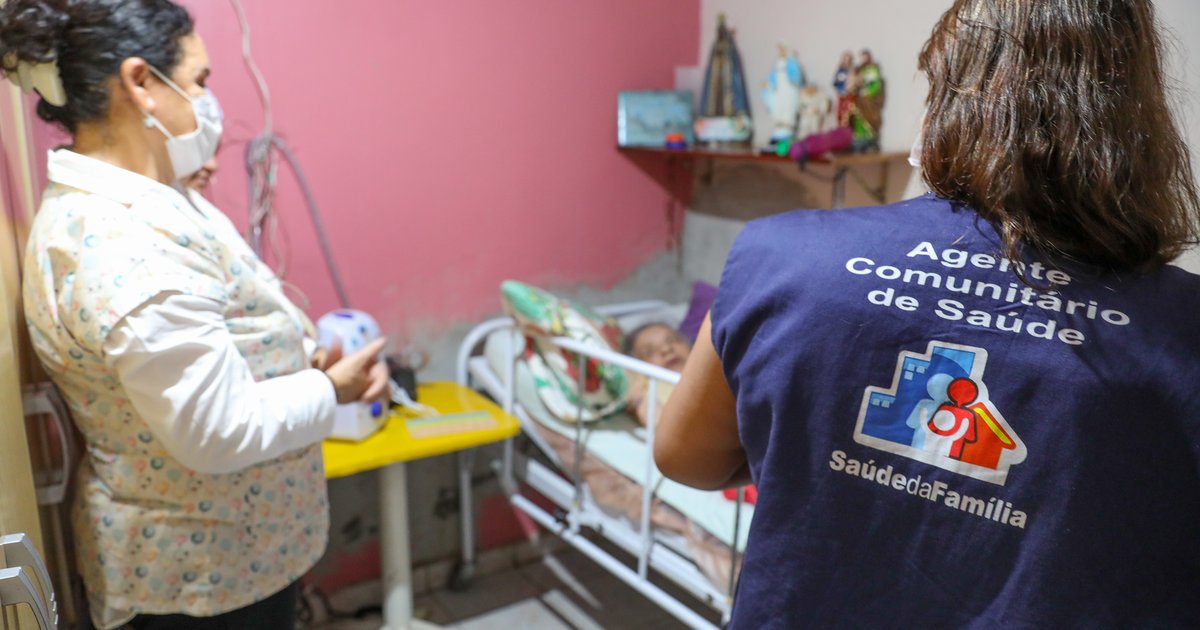
Social and logistical barriers play a substantial role that clinical teams have historically been slow to address systematically. Studies examining readmission risk factors have found that patients without reliable transportation to follow-up appointments, without a stable home environment conducive to recovery, or without support to manage complex care needs like wound dressing changes or physical therapy exercises, face meaningfully elevated readmission risk independent of the severity of their original illness. This research has been central to the growing recognition that clinical treatment alone cannot fully address readmission risk when the underlying barriers to recovery are social rather than medical, a finding that has pushed hospitals to invest more heavily in discharge planning that accounts for a patient's home environment and resources.
How Penalty Policies Have Changed Hospital Behavior
Policy responses have followed the research fairly directly, most notably through payment reforms that financially penalize hospitals with higher-than-expected readmission rates for specific conditions. Evaluations of these penalty programs have found genuine reductions in readmission rates for the targeted conditions following implementation, suggesting the financial incentive did change hospital behavior in ways associated with better care coordination. However, the same research base has identified concerning side effects. Some studies have found that penalized hospitals, facing financial pressure, sometimes managed readmission rates by keeping returning patients under prolonged observation status rather than formally readmitting them, a practice that can reduce a hospital's official statistics without necessarily improving patient care and can leave patients responsible for costs that would have been differently covered under an inpatient admission. Other research has raised equity concerns, finding that hospitals serving larger shares of low-income patients, who face more of the social barriers to successful recovery described above, were more likely to be penalized under the policy, potentially punishing hospitals for patient population characteristics substantially outside their direct control rather than for the quality of care actually delivered.
Interventions That Bridge Hospital and Home
Interventions with strong research support tend to bridge the gap between hospital discharge and the return to daily life rather than focusing narrowly on the inpatient stay itself. Structured discharge planning programs that include a clear written summary of medications and warning signs, teach-back methods where patients repeat instructions in their own words to confirm understanding, and a scheduled follow-up appointment made before discharge rather than left to the patient to arrange, have each shown measurable associations with reduced readmission in controlled studies. Transitional care programs that assign a nurse or care coordinator to check in with high-risk patients by phone or home visit in the days immediately following discharge have demonstrated some of the strongest readmission reductions in the research literature, particularly for complex chronic conditions like heart failure where small deviations from a care plan can escalate quickly.
Medication reconciliation, the systematic process of verifying that a patient's medication list is accurate and updated before discharge, has repeatedly shown value in research given how central medication errors are to preventable readmissions. Pharmacist involvement in this process, rather than leaving reconciliation solely to physicians or nurses managing many other discharge tasks simultaneously, has been associated with measurably fewer medication-related readmissions in several studies.
The overall trajectory of readmissions research suggests a field that has matured from simply documenting the problem to grappling with its more difficult second-order questions: how to design policy incentives that actually improve care rather than merely improving reported statistics, and how to address the substantial share of readmission risk rooted in social circumstances that fall outside a hospital's traditional scope of responsibility but increasingly fall within its practical mandate if readmission rates are to improve meaningfully and equitably across the patient populations hospitals serve.