
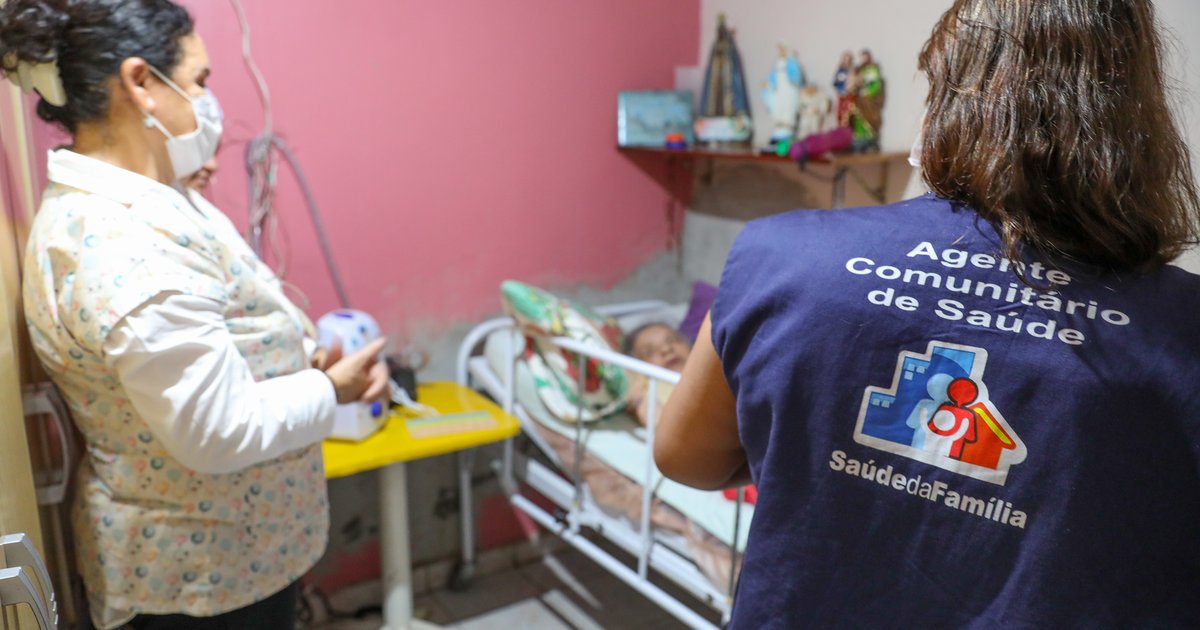
Community health workers occupy a role that does not fit neatly into the traditional hierarchy of clinical professions, and that is precisely what research suggests makes them effective. Typically drawn from the communities they serve, sharing language, culture, and often lived experience with the patients they support, community health workers are trained to bridge the gap between formal healthcare systems and the day-to-day realities of patients navigating chronic illness, pregnancy, or complex social needs. Unlike physicians or nurses, whose training and professional norms are built primarily around clinical encounters, community health workers typically operate in homes, community centers, and other settings outside the traditional clinic, where much of the behavior that determines health outcomes actually happens.
Evidence for Chronic Disease Management
The evidence base for this workforce model has grown substantially over the past two decades, moving from scattered pilot programs to a body of research robust enough to support policy decisions in several health systems. Studies of community health worker programs targeting chronic disease management, particularly diabetes and hypertension, have found measurable improvements in disease control markers among patients who receive community health worker support compared to usual care alone, with some trials documenting reductions in emergency department visits and hospitalizations that translate into direct cost savings alongside the health benefits. The mechanism researchers point to is not that community health workers provide clinical care physicians cannot, but that they provide something physicians structurally cannot: sustained, culturally attuned contact between formal appointments, catching problems and reinforcing self-management guidance during the long stretches of time when a chronic disease patient is managing their condition largely alone.
Maternal and Child Health Outcomes
Maternal and child health represents one of the areas with the strongest research support for this model. Studies of programs pairing pregnant women, particularly those in high-risk or underserved communities, with community health workers who provide education, appointment reminders, and connections to social services, have found improvements in prenatal care attendance, breastfeeding initiation, and in some studies, reductions in low birth weight and preterm birth. Given persistent and well-documented racial disparities in maternal and infant mortality, some researchers have specifically studied whether community health worker programs staffed by workers who share the racial or ethnic background of the patients they serve can help address the mistrust and communication gaps that research has identified as contributing factors in disparate maternal outcomes, with early results suggesting meaningful promise, though this remains an active area of ongoing study rather than a fully settled question.
Mental health and substance use programs have also incorporated community health workers with encouraging results, particularly for populations who face stigma or mistrust toward formal mental health systems. Research on peer support specialists, a closely related role typically staffed by individuals with lived experience of mental illness or substance use recovery, has found associations with improved treatment engagement and reduced relapse in some studies, attributed largely to the credibility and trust that comes from working with someone who has navigated similar challenges rather than only clinical training.
The Economic Case and Financing Challenges
The economic case for community health worker programs has been studied with increasing rigor as health systems weigh whether to fund positions that do not generate billable clinical revenue in the way a physician visit does. Cost-effectiveness research examining chronic disease management programs has generally found that community health worker interventions pay for themselves or produce net savings when accounting for reduced emergency department use and hospitalization among the patients they serve, though the strength of this finding varies by condition and population, and researchers caution that poorly implemented programs, without adequate training, supervision, or integration into the broader care team, do not reliably produce the same results as the well-resourced programs studied in most published research.
Sustainable financing remains one of the field's persistent challenges despite the favorable research findings. Many community health worker programs have historically depended on grant funding or time-limited pilot budgets rather than being built into standard reimbursement structures, creating instability that can undermine long-term relationships between community health workers and the patients they serve, relationships that research suggests take real time to build and are central to the intervention's effectiveness in the first place. Some states have begun developing Medicaid reimbursement pathways specifically for community health worker services, a policy shift that researchers are actively studying to determine whether formal reimbursement changes program stability and reach without diluting the community-rooted, less clinically formal qualities that appear central to why the model works.
Workforce development and training standardization present additional open questions, since the role has historically been defined loosely and implemented differently across programs and regions, making it harder to build the kind of standardized evidence base that exists for more established clinical professions. Even accounting for these open questions, the overall trajectory of the research supports community health workers as a genuinely evidence-backed strategy for reaching patients that clinic-based care alone consistently struggles to reach, particularly for the chronic disease management, maternal health, and behavioral health challenges where sustained trust and community connection matter as much as clinical expertise.